
What our name means
A 함지박 is the largest bowl in a traditional Korean home — a wide, round basin carved by hand from a single hollowed log.
It belongs to the family of Korean wooden-ware called mokgi (목기). The name puts two ideas together: 함지 (hamji), a container carved from wood, and 박 (bak), the round, gourd-like basin shape — the same bak in bagaji, the dipper gourd.
A hamjibak was never a bowl for one. It was the vessel a household mixed a mountain of bibimbap in, washed the harvest grain in, and piled food high in to feed everyone at once. To own one was to expect a crowd.
Sharing from a full bowl
In Korean, a full hamjibak is a picture of plenty — of having more than enough, and giving the rest away. You filled it to feed your family, and then the neighbors too. That spirit of generosity is exactly what we wanted our restaurant to stand for: food set in the middle of the table, plates passed around, no one leaving hungry.
Ham Ji Bak, in Sherwood
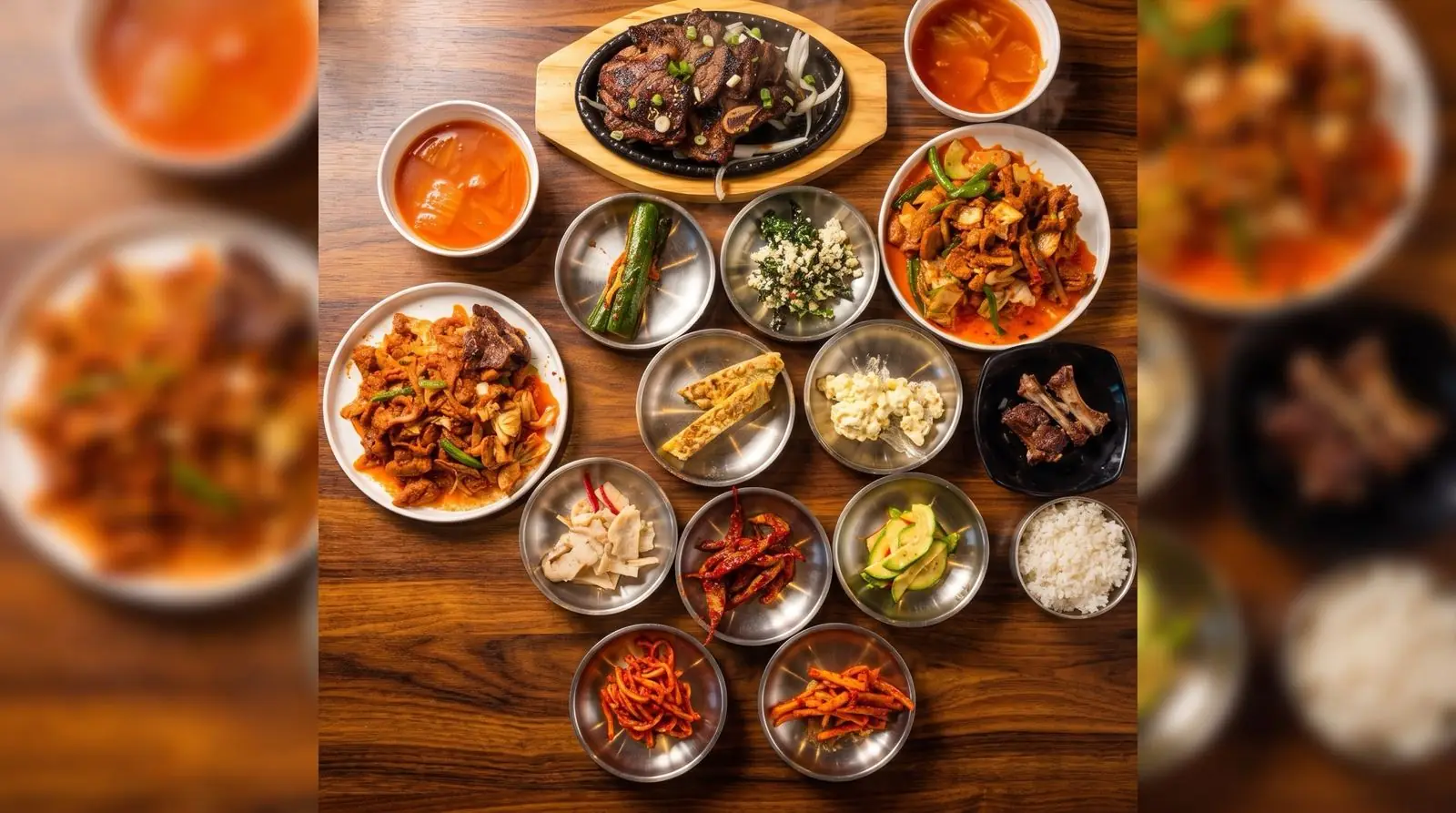
We opened Ham Ji Bak to bring real Korean home cooking to Sherwood — the kind of meal you’d find at a family table, not a fast-food counter. Silky soft-tofu stews, doenjang and kimchi jjigae, sizzling stone-bowl bibimbap, plated bulgogi and galbi, and party-size jeongol hot pots built for the middle of the table.
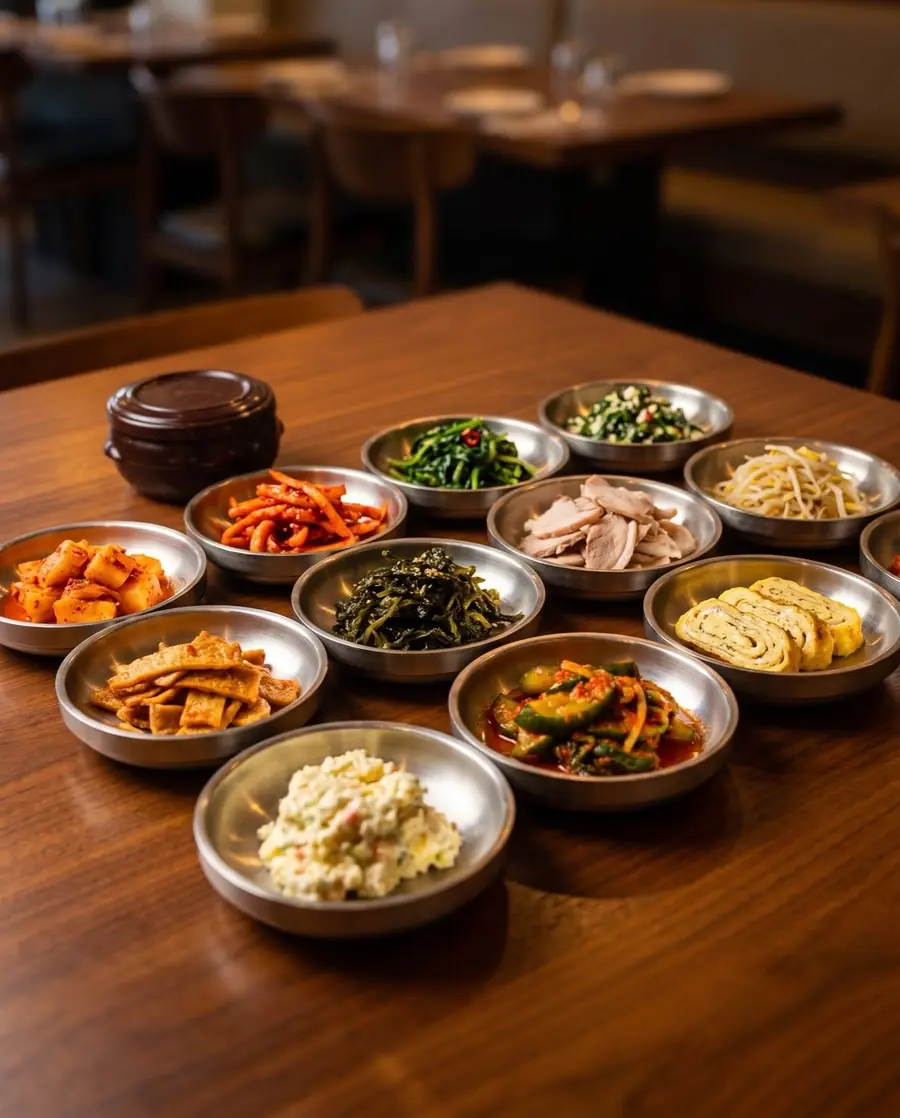
A few dishes you won’t easily find nearby: Jinju-style naengmyeon, a regional cold-noodle specialty, and a proper baekban set — rice, soup, and a table full of banchan, the everyday Korean home meal. Every dish carries its Korean name, because we’re cooking for our Korean neighbors and for everyone in Sherwood who’s about to have a new favorite.
Come hungry, bring people, and share from a full bowl. That’s the whole idea.